Enhancing biodiversity & social inclusion by transforming Europe’s living environments
INNATUREan EU Horizon Europe funded project
Latest news
Demo Cases
The five demo cases are at the heart of the entire project: all the key innovations are developed and demonstrated in real-life settings together with local people and other stakeholders.
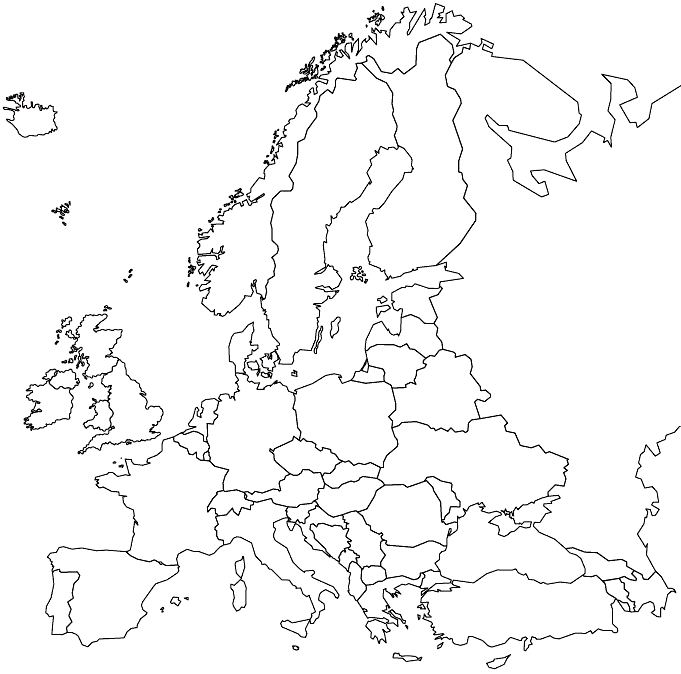
The demo cases complement each other geographically and provide diversity in terms of urban typology, socio-cultural and biodiversity aspects, inclusivity focus, and current and future predicted climatic context.
-
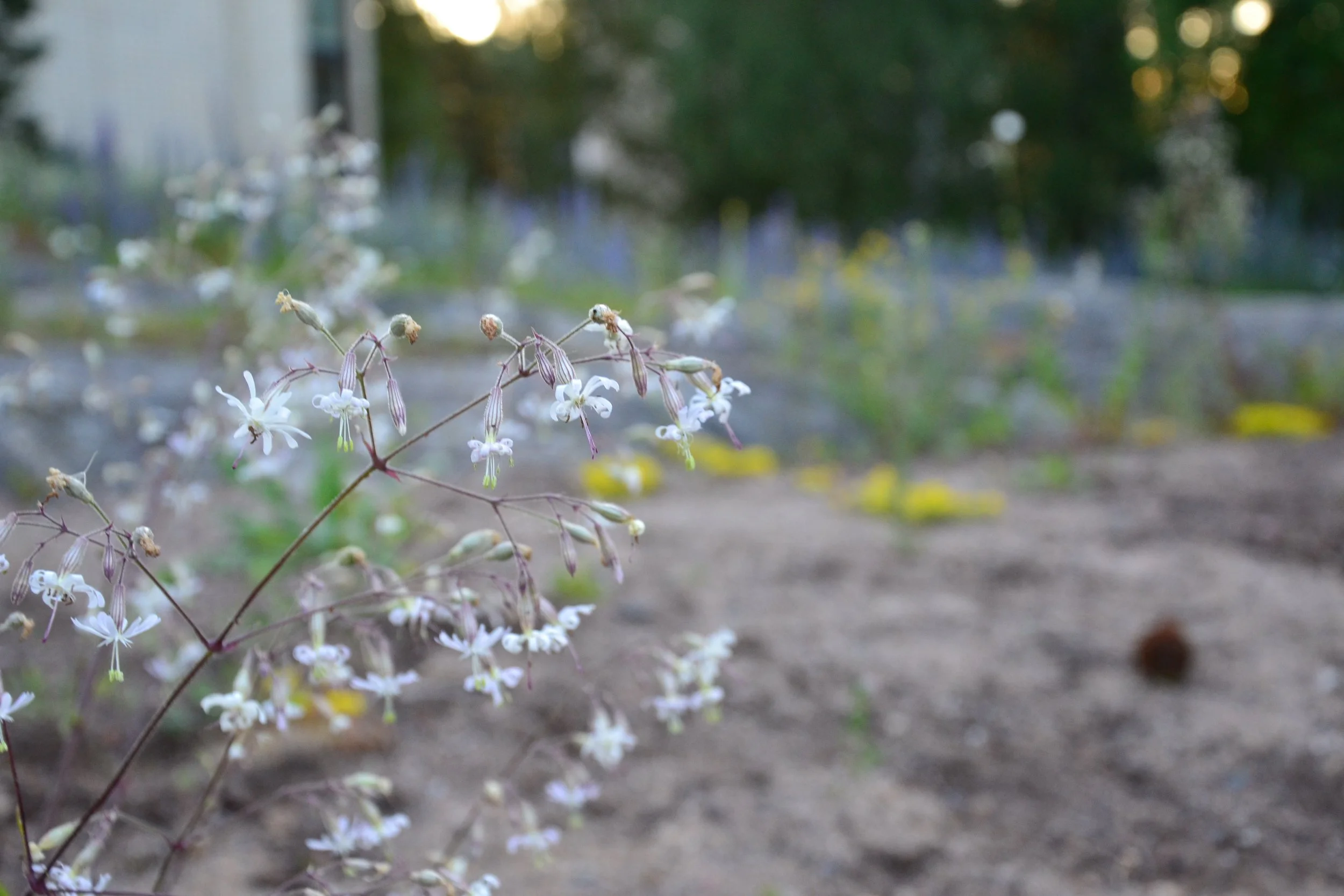
deals with meadow-like habitats in sub-urban areas in Tampere, Finland, to increase biodiversity and habitats for endangered species, improve residents access to urban nature and develop places of encounters. READ MORE
-
focuses on greening the streets of low-rise urban areas in Antwerp, Belgium, using a commons-based approach that fosters social cohesion, inclusion, and collective stewardship. READ MORE
-
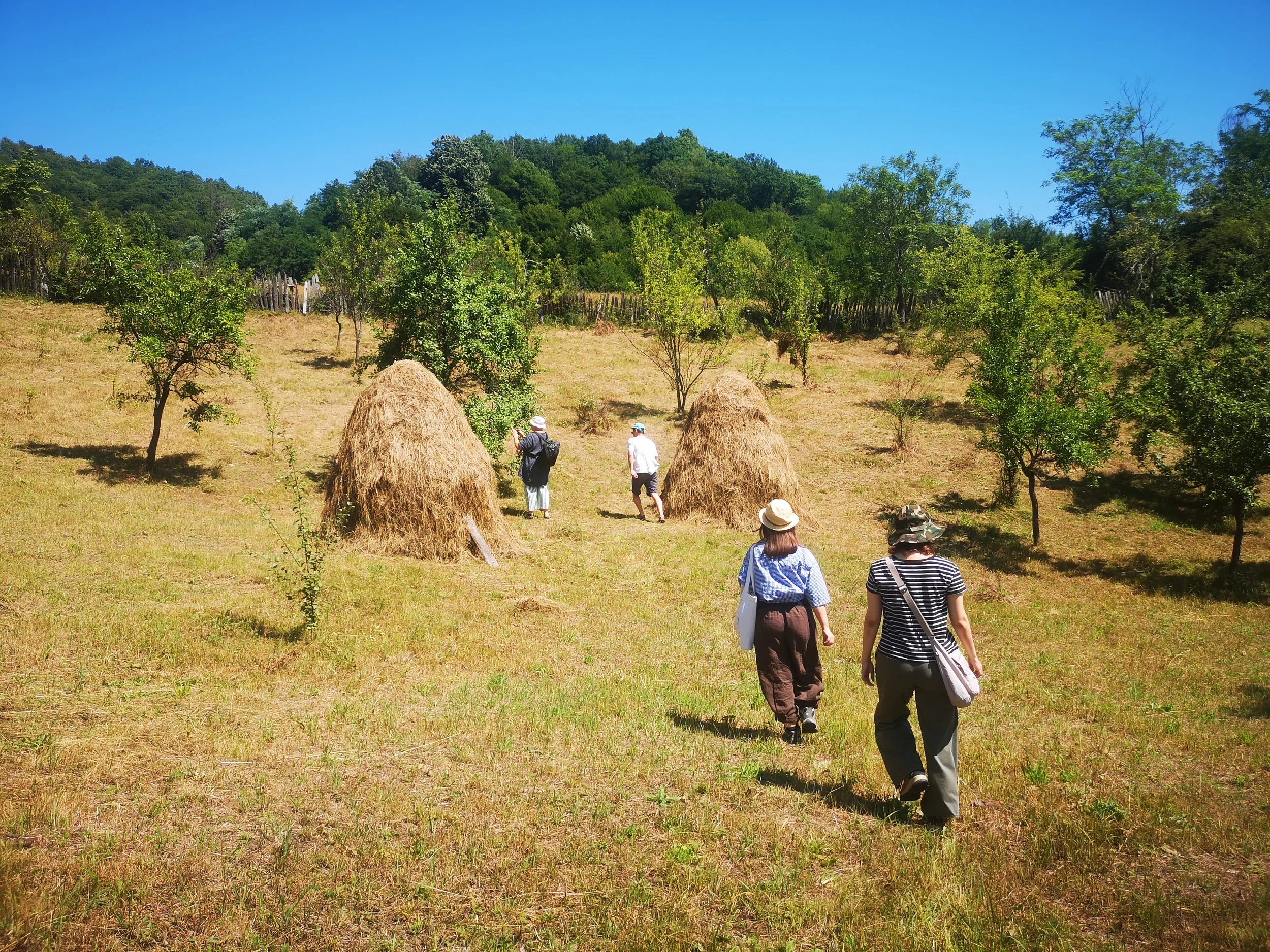
explore the role of nature-based solutions by design in revaluing cultural landscapes and associated traditional ecological skills and knowledge in the urban and rural settings of Brezoi, Romania. READ MORE
-
explores how rainwater can be valued and imagined as a common resource, contributing to transitions in urban water infrastructure through demonstrating small-scale drainage solutions and permaculture design. READ MORE
-
works with a Landscape Connector in peri-urban Sheffield, UK, that explores how nature-based solutions can support biodiversity, ecosystem recovery, civic learning and stronger local agroecological food systems. READ MORE
Project Background
Globally, the built environment contributes to exploitation of natural resources, the pollution of air, water and soil, biodiversity decline, and ultimately climate change. However, the built environment and its stakeholders also hold the solutions to limit, and reverse, these impacts through new innovations that drive societal changes and envision new ways of living.
When designed and implemented well, Nature Based Solutions (NBS) can support biodiversity, local and regional ecology by improving air, soil and water quality and sequestering carbon, in effect playing its part in mitigating climate change.
In addition to this, a closer connection to nature also supports human health and well-being, climate adaptation and resilience (e.g., reduced urban heat island effect, flood prevention etc.).
But in reality, many NBS fail to maximise these benefits or do not work over time, exacerbated by a lack of community involvement. Moreover, not all people have equivalent access to NBS to benefit from them equally, and especially diverse groups (youth, older people, immigrants, women, disabled people) may also face socioeconomic marginalisation, spatial segregation, or urban decay.
Our mission
Our project aims to re-imagine and accelerate new living futures and ‘next practices’ across Europe by co-creating five diverse NBS demonstration cases across Europe (Belgium, Denmark, Finland, Romania, UK) that are inclusive, beautiful and sustainable, the three key pillars of the New European Bauhaus (NEB).
The project will demonstrate the co-benefits of NBS through inclusive design solutions and innovative processes, methods, care and management of NBS. This collective project aims to change mindsets, affect policy and to accelerate and scale-up NBS solutions in different contexts locally and across Europe.
It will do so by bringing biodiversity and people diversity together at all levels,
(i.e. diverse communities, artists and designers, ecologists, researchers, policy-makers, other stakeholders in Eco-Social Living Labs and through Arts Conversations) and thereby reimagining new (biodiverse, social, cultural and ecological) futures.
The project and demo cases are co-created and co-led by a collective of interdisciplinary researchers, ecologists, artists and designers, community and volunteering organisations, SMEs and cities.
Co-produce and demonstrate Nature Based Solutions that are NEB
(New European Bauhaus) ‘by design’ through Eco-Social Living Labs.
1
Protect, celebrate and enhance existing local biodiversity through Art Conversations and collaboration and biodiversity actions with local ecologists.
2
Ensure long-term resilience of the NBS through a Holistic Monitoring and Evaluation Framework (including citizen science), facilitated by an Integrated Digital Platform.
3
Use NBS to re-imagine new living futures in Europe and create
a Local Community Economy-Ecology Value Framework; and
4
Map these processes and results in a new framework and practical guidelines for ‘NEB-by-design’ NBS, culminating in the INNATURE Pattern Book.
5
Seven key innovations

-
Potential co-benefits of NBS are not fully realised; NBS are rarely co-created with community across different scales, nor are they NEB-by-design (sustainable, inclusive, beautiful).
INNOVATION 01: NBS that are NEB-by-design that represent a radical shift in their design, use and governance, and in the way we think about human-nature relations. These NBS are place-based, scalable, biodiverse and people-diverse, and NEB-by-design. As such, embedding the combination of INNATURE approaches in NBS co-creation processes will lead to new ecologically and socially just solutions, and new design and technological NBS innovations and aesthetics.
-
The inclusion of diverse groups from vulnerable communities is critically lacking in NBS design processes, and there is a need for new methods of collaboration for engaging populations with nature
INNOVATION 02: Eco-Social Living Lab Methods will be established that focus on eco-social assets and needs through cross-disciplinary NBS co-creation by the local community, local ecologists, artists and designers, and other stakeholders. The focus of Eco-Social Living Labs is on bringing biodiversity and people-diversity (e.g. women, children, older people, immigrants, disabled persons) together to deliver new NBS innovations that are locally meaningful, affordable, and perform in reality over time.
-
Art is not often used in NBS-related co-creation processes, nor for NBS design. Typically, community engagement and co-production art processes are disconnected, already from an early stage
INNOVATION 03: Art Conversation Approaches will be developed and embedded throughout as part of bottom-up participatory methods. Local artists, creative collectives and designers will create public art activities to connect and mobilise a diversity of people with local ecologists to act and change their living environments by protecting and enhancing local biodiversity and ecology. Participatory arts-based processes which boost the specific relation between arts, technology and biodiversity, will be used to map NBS processes, and communicate the local economic and ecological value to city planners and policymakers
-
NBS are seldom properly monitored to ensure long-term resilience; different aspects are not usually combined in complementary assessment protocols, and barriers remain for smart-sensing protocols, e.g. lack of versatile, easy-to-use methods, appropriate methods for citizens co-monitoring; poor communication with non-scientific stakeholders etc
INNOVATION 04: Holistic Monitoring & Evaluation Framework will support our understanding of the long-term performance of the ecological, biodiversity, microclimatic, social, cultural, technical, practical and use(r) perspective of each demo-case. Collected by a dedicated team and different stakeholders, data on long-term resilience will be collated, analysed, and evaluated for all key performance aspects and offer a research-based evaluation on the effectiveness of NEB-by-design NBS
-
Digital solutions typically do not involve citizens in co-creation processes and can alienate through, e.g., lack of inclusive language, integration of local knowledge or community contribution, nor are they used for long-term management of NBS
INNOVATION 05: An Integrated Digital Platform will be used to involve diverse groups in the NBS co-creation, implementation, maintenance and monitoring processes, connecting the Eco-Social Living Lab communities locally, and with other regions and stakeholders across Europe. The platform will utilise the full potential of digital tools to co-create and manage NBS and will disseminate demo-case information and reduce participation barriers and enhance democratic processes through gamifying while avoiding unintended consequences (e.g. digital exclusion).
-
NBS focus on serving the market-based interests based on returns on investment, at the expense of widespread socio-ecological benefits. The contribution of community and household economics and their societal benefits are often ignored in real-life decision-making
INNOVATION 06: The Local Community Economy-Ecology Value Framework will go beyond financial capital and commodification and further develop existing theoretical frameworks to construct a more comprehensive understanding of full NBS costs and benefits in social, ecological, and financial terms across different scales (e.g. estimations of household, community and municipal economic benefits of the NBS and their ecological footprint).
-
NBS upscaling is lacking and remains untested in terms of their actual delivery, and long-term resilience. There is a substantial lack of NBS guidelines for transformation of existing living environments or when co-created, and a better understanding is needed of the nexus between NBS and the NEB, to recognise how NBS-NEB can be integrated, support one another, and work in reality
INNOVATION 07: The INNATURE Pattern Book will disseminate ‘next practices’ that are based on all prior demo-case key innovation results (KIR 01-06) for the co-creation, delivery, and governance of NBS, and integration of NEB in NBS, for wide-scale use across other European communities in five languages. It is an accessible, visually illustrated framework that offers different stakeholders, including communities, a roadmap and action plans, serving practical guidance that is adaptable to different scenarios (users, scales, climate, etc.) to apply NBS as part of new living futures